Richard Gearhart founded Gearhart Law 20 years ago and is about to sign its 5,000th intellectual property client, and on Unscripted Small Business he explains what AI just broke. Copyright attaches the moment you create the work, "the best deal in intellectual property law ever," but registering it is what unlocks statutory damages of $500 to $20,000 per occurrence. AI cannot be an author and AI cannot be an inventor, so using AI as a tool is fine and the trap is scope, because the problems start "when AI starts adding ideas to the invention that the inventor never contemplated." Richard also covers Getty demand letters, why a trade secret dies the moment it can be reverse engineered, and the expert-witness case where LLM-drafted work got turned over in discovery and killed the case.
Richard's episode is about rules that decide who owns a thing. Copyright attaches the moment you make it. AI cannot be an author. A patent needs a human inventor. None of that is obvious and none of it is natural. Somebody wrote it down, and they wrote it down because a harm had already happened to someone.
That is worth sitting with, because it is not unique to intellectual property.
Take oxygen. Ordinary air is about 21% oxygen. OSHA draws its line at 19.5% - below that the atmosphere is officially oxygen-deficient and you are not supposed to send anyone into it unprotected. That is a gap of one and a half percentage points, and your body gives you nothing to notice it by. Oxygen depletion has no smell, no color and no taste. Nitrogen, argon and helium do not poison anybody. They simply take up the room the oxygen used to occupy. PureAire's breakdown of oxygen depletion and how to prevent it notes that a few breaths of depleted air is enough for impaired cognition and coordination, rapid breathing, and in the worst case unconsciousness or death.
Impaired cognition is the cruel detail there. The first thing the hazard takes is the judgement you would need to get yourself out of it.
So the regulation does the work your senses cannot. Someone had to choose 19.5%, write it into law and enforce it, because you cannot feel the difference between air that is fine and air that will kill you. A room full of leaked nitrogen looks exactly like a room.
That is the same shape as Richard's argument about AI and authorship. The law insists a human be the author, and it says so because "who made this" stopped being something you could settle by looking at it. In both cases the rule stands in for a sense we do not have.
The difference is only in what it costs to get it wrong. Miss the copyright question and you lose the ability to enforce something you believed you owned. Miss the oxygen question and somebody does not walk out of the room.
Both are consumer protection. One is just slower.
Business psychologist Dr. Julika “Jules” Novkova joins host Jeremy Rivera to unpack the human side of running a small business — why founders freeze,...
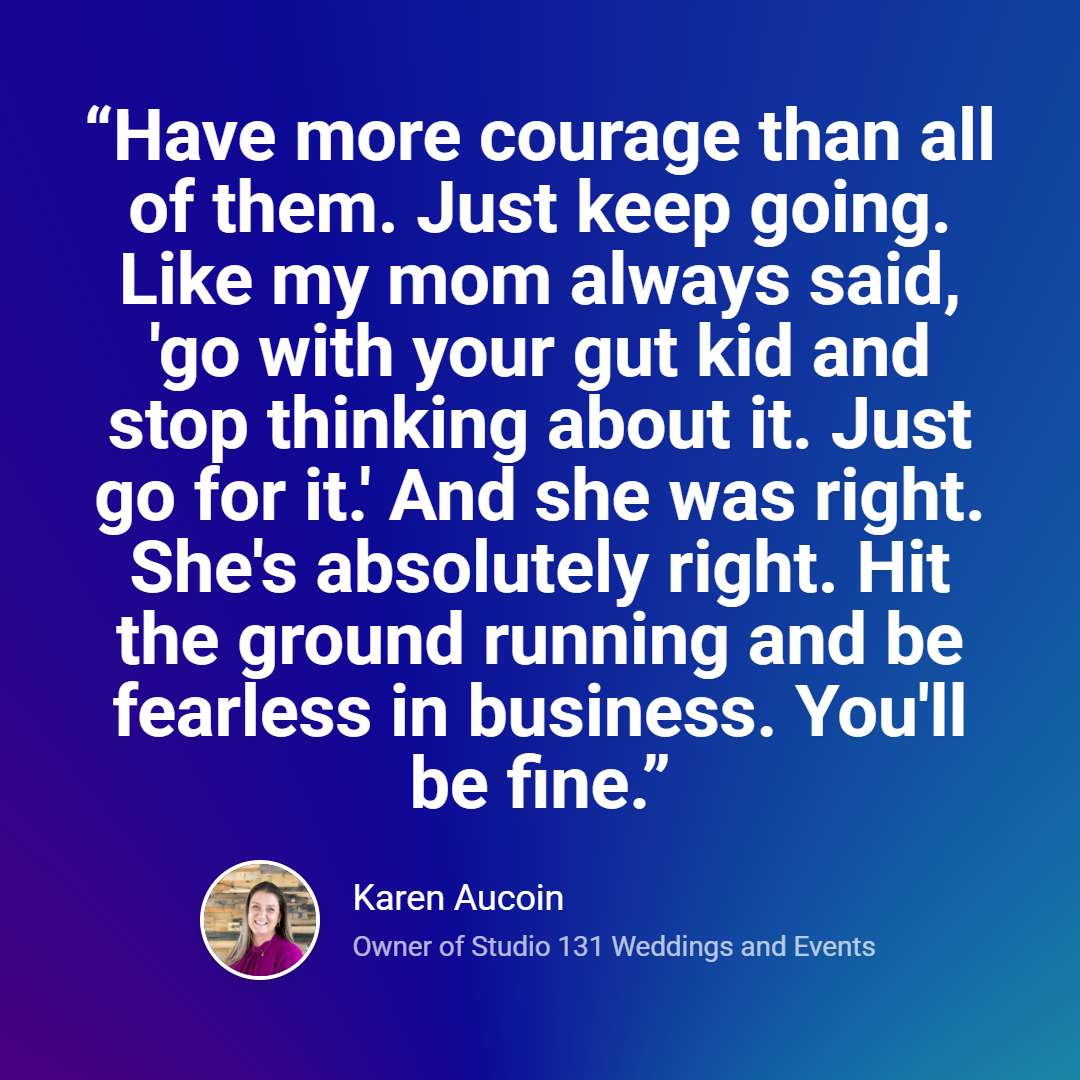
Summary In this episode of Unscripted Small Business, host Zaneta Chuniq Inpower interviews Karen Aucoin, owner of JoBelle and Studio 131. Karen shares her...
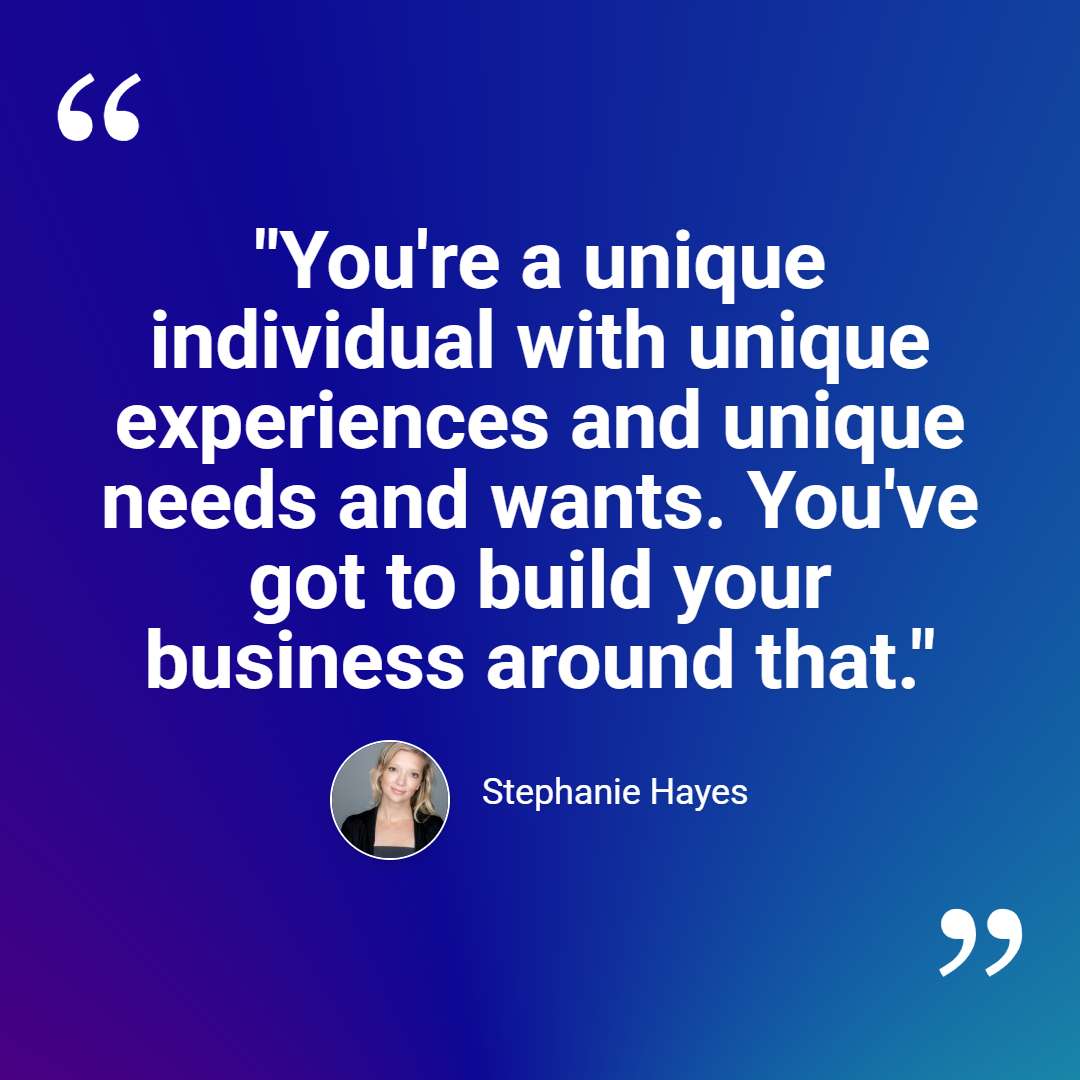
In this episode of Unscripted Small Business, Abbey Crane interviews Stephanie Hayes, an acquisition entrepreneur and business strategist/coach. They discuss the often-overlooked topic of...